

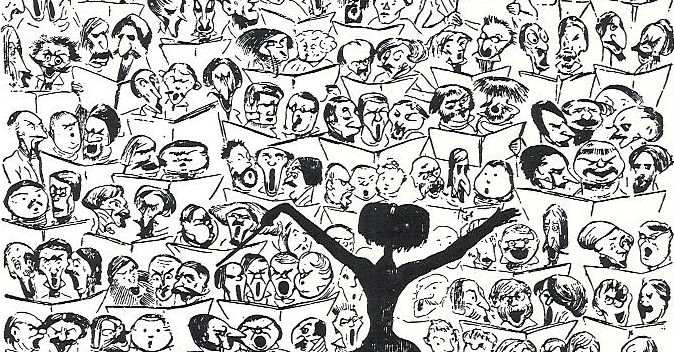
Orchestrating change: how to Lead Digital Transformation and Talent Management in a 5 generational world.
We’re living in an era where 5 generations – from Traditionalists to Gen Z – are working side by side, each with their own expectations, communication styles, and relationship with technology; at the same time, businesses are racing through digital transformation, trying to keep up with rapid technological change.
But here’s the catch: You can’t transform digitally without transforming your talent strategy – and vice versa. The key to success? Orchestration.
Orchestration isn’t about implementing new tools or processes, it’s about aligning people, technology, and strategy in a way that works for everyone – whether they’re a “Boomer” who values stability or a “Gen Z” digital native who thrives on flexibility.
So, how do we make this work?
5 generations, Five Different Worlds
For the first time in history, 5 distinct generations are shaping our workplaces and markets:
- Traditionalists (Pre-1946): They value loyalty, hierarchy, and personal service. They trust brands with a legacy and prefer human interaction.
- Baby Boomers (1946–1964): Experienced and process-driven, they seek reliability and quality – both as employees and consumers.
- Gen X (1965–1980): Independent and pragmatic, they want convenience, authenticity, and real value.
- Millennials (1981–1996): Tech-savvy and purpose-driven, they demand personalization, social responsibility, and seamless digital experiences.
- Gen Z (1997–2012): Digital natives who expect hyper-personalization, instant gratification, and ethical transparency.
The takeaway? A one-size-fits-all approach won’t cut it. Whether you’re rolling out a new digital tool or redesigning your talent strategy, you need to think inclusively.
What does Orchestration really mean?
Orchestration is about bringing everything together – people, processes, data, and technology – so they work in harmony. It’s not just about automation or optimization, it’s about creating a cohesive system that adapts to the needs of a diverse workforce and customer base.
1. Orchestration in Digital Transformation
Digital transformation isn’t just about adopting the latest tech – it’s about making sure that tech works for everyone.
- Bridging the digital divide: Not everyone is comfortable with new tools. Your digital strategy needs to be intuitive and accessible for all generations.
- Personalization at scale: Use data to tailor experiences – whether it’s an employee learning platform or a customer-facing app.
- Fostering collaboration: Create digital workspaces that accommodate different work styles, from structured processes for Boomers to agile, social tools for Gen Z.
How to make it happen:
- Governance: Prioritize initiatives that serve all generations – think user-friendly UX and multi-channel support.
- The “Digital Factory” Model: Use cross-functional teams to test and scale solutions that resonate across age groups.
- Data-Driven Insights: Leverage analytics to understand generational preferences and adapt your strategy.
2. Orchestration in Talent Management
With 5 generations in the workforce, talent management needs to be flexible, inclusive, and dynamic.
- Integrated talent systems: Your recruiting, development, and retention processes should support diverse career paths.
- Flexible work models: Offer structures that appeal to everyone – from Traditionalists who value stability to Gen Z’s desire for flexibility.
- Continuous upskilling: Provide personalized learning journeys – leadership development for Boomers, digital skill-building for Gen Z.
How to make it happen:
- Orchestration Platforms: Use HR tech ecosystems to unify data and workflows, enabling real-time talent mobility.
- Cross-Generational Mentorship: Pair experienced employees with younger ones to foster knowledge sharing.
- Employee Experience (EX) Design: Craft EX strategies that respect generational differences while maintaining a cohesive culture.
Putting Orchestration into Action
So, how do you actually implement orchestration in your organization?
- Establish Inclusive Governance
- Form a diverse governance body with representation from all generations.
- Define shared priorities that balance innovation with accessibility.
- Map Generational Journeys
- Analyze processes like onboarding to identify generational pain points.
- Design adaptive interfaces – AI-driven support for less tech-savvy employees, mobile-first tools for Gen Z.
- Build Cross-Generational Teams
- Create “orchestration rings” – mixed-age teams to drive initiatives like digital adoption.
- Use Agile methodologies to iterate based on feedback from all generations.
- Invest in Unified Platforms
- Deploy tools that integrate HR, CRM, and digital transformation data.
- Ensure interoperability – legacy systems for Boomers, mobile-first tools for Gen Z.
- Leverage Data for Personalization
- Use predictive analytics to anticipate generational needs.
- Implement feedback loops to continuously refine your strategies.
Overcoming the Biggest Challenges
| Challenge | Solution |
|---|---|
| Resistance to digital tools | Offer multi-modal training – videos for Gen Z, workshops for Boomers. |
| Conflicting work styles | Design flexible policies – hybrid work, asynchronous collaboration. |
| Fragmented customer expectations | Use data segmentation to personalize without losing brand consistency. |
| Knowledge silos | Foster reverse mentoring and cross-generational project teams. |
The Future Belongs to Those Who Orchestrate
In a world where 5 generations are shaping the workforce and marketplace, orchestration isn’t just a strategy, it’s a necessity.
By aligning digital transformation and talent management under a unified, inclusive framework, you can:
✅ Harness the strengths of every generation – from Traditionalists’ wisdom to Gen Z’s innovation.
✅ Deliver seamless, personalized experiences for both employees and customers.
✅ Future-proof your organization by embedding adaptability into your DNA.
Next Steps:
- Audit your strategies: Are they inclusive of all 5 generations?
- Pilot a cross-generational team: Test orchestration on a critical initiative.
- Invest in adaptive technologies: Ensure your tools work for everyone.
The organizations that thrive won’t just manage change, they’ll orchestrate it for all.
