

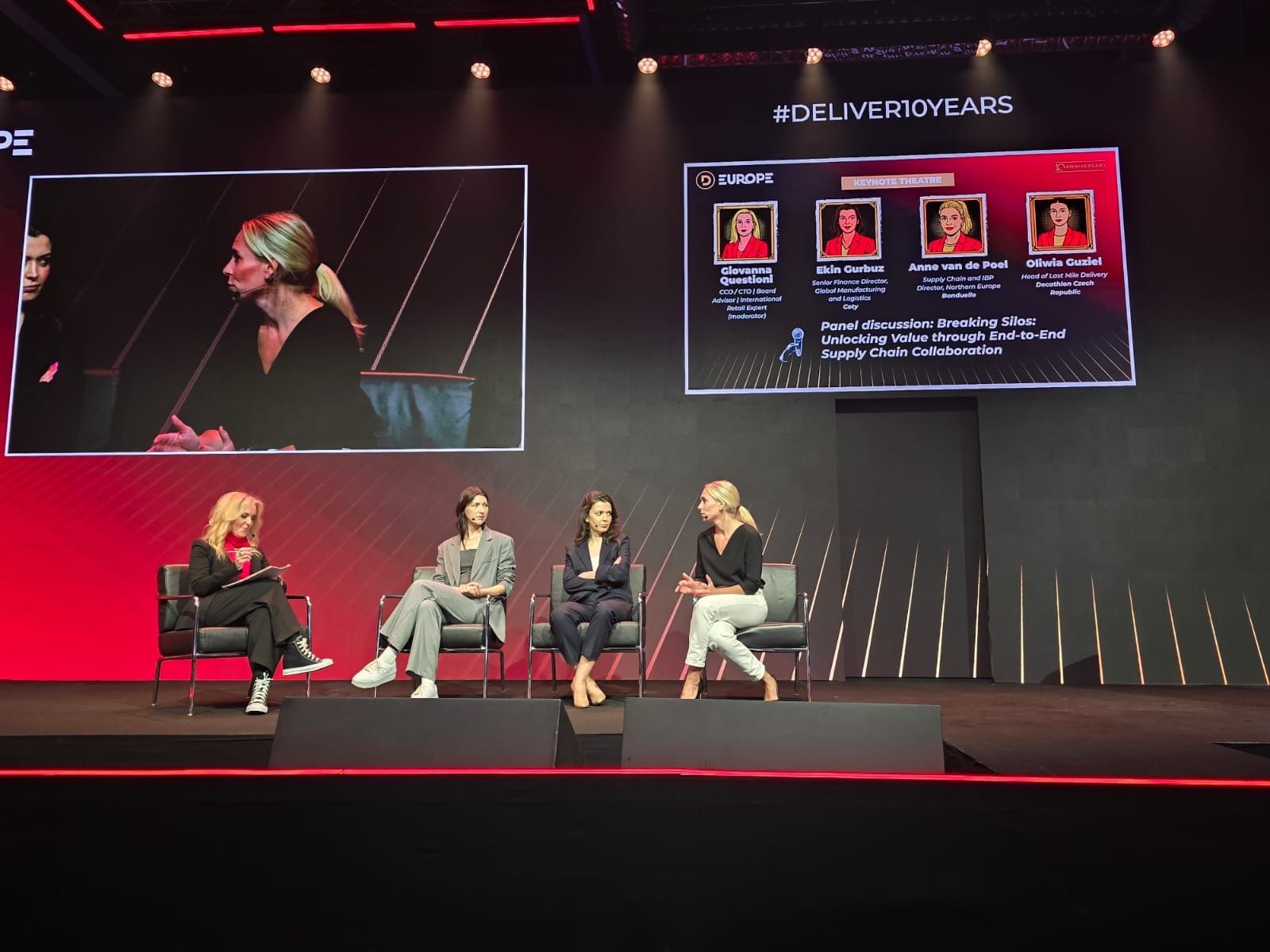
Disrupt or Die: it’s the imperative for long lasting successful business
In today’s fast-paced business environment, the mantra “disrupt or die” has never been more relevant. Companies that fail to adapt risk becoming obsolete.
Central to this transformation is a shift from traditional, process-driven Human Resources (HR) to a people-centric, culture-driven approach – placing employees at the heart of both the workplace and the marketplace.
The Shift: from “HR Director” to “People, Culture, Organization Director”
Traditional HR Director Role:
– Focus: compliance, recruitment, payroll, conflict resolution.
– Operation: largely behind the scenes, ensuring policies and legal requirements were met.
– Approach: reactive in addressing issues, often managing problems as they arose.
People, Culture, Organization Director Role:
– Focus: proactively shapes and nurtures organizational culture, aligning it with company values and goals.
– Operation: places employee experience, engagement and well-being at the center of business strategy.
– Approach: acts as a visible, strategic business partner, collaborating across leadership & teams to co-create guidelines, foster inclusion and drive business results.
– Analytics: uses data & people analytics to inform decision-making and continuously improve the employee experience.
Why This Transformation Is Critical
1. Employee Experience drives performance:
– Companies with highly committed employees outperform competitors in profitability and productivity.
– Positive employee experiences lead to higher retention, innovation and customer satisfaction.
2. Culture as a competitive advantage:
– Companies that prioritize people & culture lead to tangible business success – from faster innovation cycles to higher customer loyalty.
3. The Marketplace demands It:
– Customers increasingly value companies known for ethical practices and strong internal cultures. A people-first organization is better positioned to attract and retain both talent and customers.
4. The Role of Leadership:
– Leaders in people and culture are not just administrators; they are catalysts for change, breaking down silos and aligning the workforce with the organization’s mission and values.
Key Initiatives for Transformation
– Employee-Centric Policies: prioritize flexible work, wellness programs and personalized career development.
– Diversity & Inclusion: actively create inclusive environments that foster innovation & creativity.
– Continuous feedback and recognition: real-time, open communication replaces annual reviews, making employees feel heard and valued.
– Strategic Business Partnership: people & culture Leaders work closely with business units, leveraging data to drive organizational goals.
In my philosophy, to “disrupt or die,” businesses must embrace a radical transformation by placing people at the center of both workplace and marketplace strategies: this involves reimagining the “HR Director” as the “Director of People, Culture, Organization”, a strategic Leader who champions culture, drives career background & path, ensures that every employee’s experience aligns with employee’s talent and potential to foster business success.
Those who adopt this model are not just surviving disruption, they are leading it.
